National Coffee Day 2026: History & How to Celebrate
National Coffee Day lands on September 29 — a US promotional day best known for one-off deals at coffee shops and chains. Here’s where it actually came from, how it differs from the separate, UN-recognized International Coffee Day, and 5 standout, currently in-stock coffees that already cost well under $1 a cup at home.
Where National Coffee Day Came From
Unlike International Coffee Day, National Coffee Day isn’t a UN or ICO observance — it’s a US retail tradition that the National Coffee Association has promoted since 2005, and it caught on because individual coffee shops and chains use it as an excuse to run their own free-cup or discount promotions. There’s no central organizer deciding what those deals are each year, which is also why the day feels a little different every September.
Two days later, October 1’s International Coffee Day is the one recognized worldwide and by the UN, with a stated focus on the farmers who grow coffee rather than deals for the people drinking it. The two are easy to mix up, but they’re run by different organizations for different reasons.
The Free Cup Is Nice — Home Brewing Wins the Other 364 Days
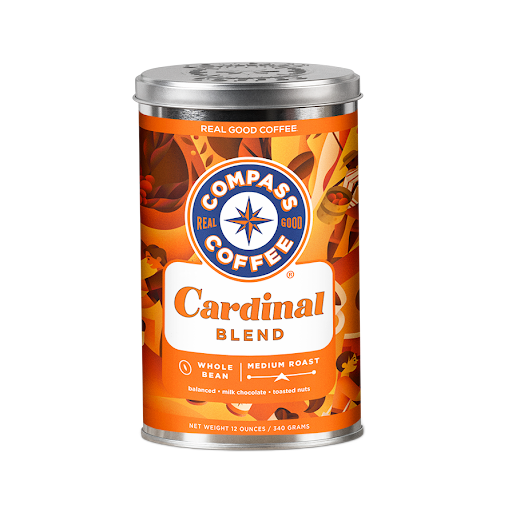
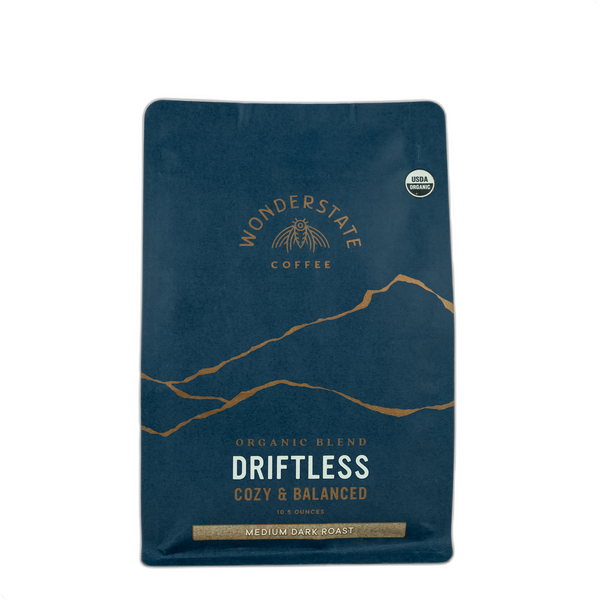
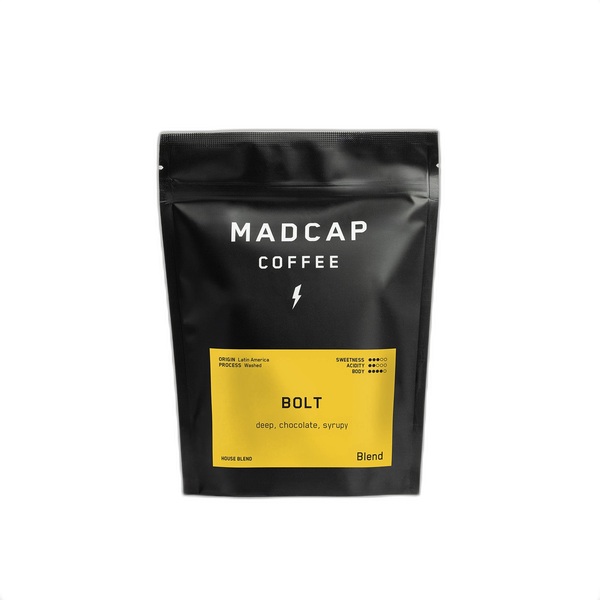
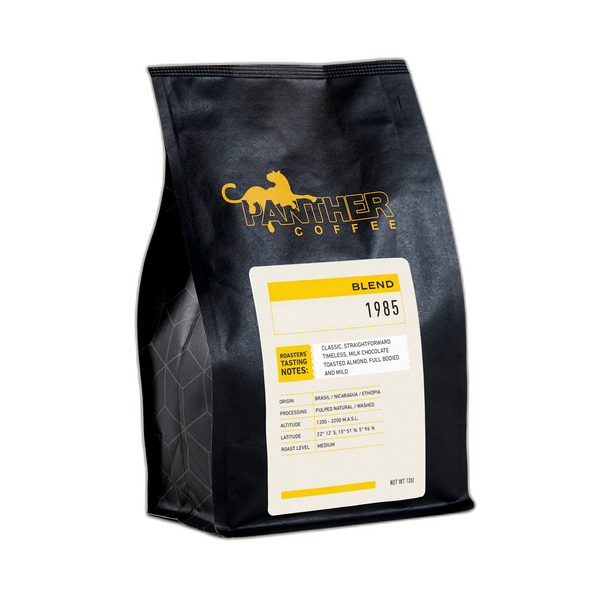
Across the 374 coffees in our catalog with listed bag pricing, brewing at home averages $1.28 a cup at a standard 18g dose (catalog average of $2.02/oz). Two cups a day at home runs about $2.56, next to roughly $8–$12 for two coffee-shop drinks — a gap that adds up to about $2,000–$3,400 over a year. Here are 5 top-rated, currently in-stock coffees that land well under $1 a cup on their own:
Plug in your own bag price and dose to see your exact number:
3 Ways to Celebrate
- Take the deal if your local shop has one. There’s no downside to a free or discounted cup — just check your regular coffee shop’s own site or app, since there’s no single master list.
- Then start brewing one of today’s value picks at home. Any of the 5 coffees above pairs well with a simple pour-over or French press setup if you don’t already have one dialed in.
- Run your own numbers. The Cost Per Cup Calculator uses your real bag price and dose instead of the catalog average, so you can see exactly what switching to home brewing would save you.